 Send an email
 Call us
Where to buy your house in central Florence: a practical guide for international buyers
19 February 2026

Buying a home in central Florence is rarely a purely emotional decision-although the city makes that difficult. For international entrepreneurs, investors, and second-home buyers, Florence sits in a very specific sweet spot: global brand recognition, year-round demand, strong lifestyle appeal, and a property market that rewards the right micro-location.
The key word is micro. In Florence, a few streets can change your experience of the city and your long-term property performance. That’s why “old town Florence” is not one market, but a cluster of distinct sub-markets: Duomo, Santa Croce, Santo Spirito, San Niccolò, Santa Maria Novella, San Lorenzo, and the elegant edge areas like Porta Romana and the slopes toward Piazzale Michelangelo.
Before we get into neighborhoods, let’s anchor the conversation with recent numbers. In December 2025, the average asking price for residential property for sale in Florence was €4,719 per m², with a citywide range from €3,396 to €6,577 per m² depending on the area. On the rental side, the average asking rent was €21.08 per m² per month, ranging from €13.48 to €24.74 per m² per month across the city. Over the same period, Florence also shows a clear upward trend: one dataset reports €4,531 per m² in December 2025, up +7.5% year-on-year versus December 2024.
Those are citywide averages. What matters for this article (property market Florence center) is how central zones position themselves above the curve, and why.
Central Florence in 2025: what the numbers say (and what they don’t)
Central Florence commands a premium because it compresses three drivers into one address: walkability, scarcity, and global demand. And that premium becomes obvious when you compare central locations to the city’s lower-priced edges.
In December 2025, the most expensive sub-area in your dataset is Michelangelo / Porta Romana at €6,577 per m², with rents around €24.03 per m² per month. Other high-performing zones include Oltrarno (€6,423 per m²) and Centro (€6,027 per m²)—both with rents above €24 per m² per month.
At the opposite end, more peripheral areas like Ugnano and Mantignano sit around €3,396 per m² with €13.48 per m² per month rent, while several “middle-city” residential districts cluster between roughly €3,700–€4,800 per m², depending on the neighborhood.
This is the strategic takeaway for Florence investment buyers: central Florence is not simply “more expensive.” It is often more liquid and more resilient because demand is diverse (second homes, lifestyle relocations, high-end rentals, and, depending on property configuration, shorter stays).
But the numbers don’t tell you everything. Central areas also come with constraints: traffic restrictions, parking limitations, and in some pockets, heavier tourist pressure. Buying well in the center means matching the neighborhood to your intended use.
Old town Florence: choosing between “iconic” and “livable”
When people say they want “the old town Florence,” they usually mean one of two things:
They want the postcard. That’s the Duomo-adjacent core, the museum belt, the truly historic streets where everything feels like a film set.
Or they want the Florence lifestyle. That’s still central, still beautiful, but oriented around daily living: cafés you’ll actually return to, local markets, artisan workshops, calmer evenings, and a sense of community beyond the tourist flow.
The best choice depends on whether your property is meant to be a personal base, a second home you’ll use often, or an investment asset you plan to rent.
Centro (historic center): the classic choice for prestige and proximity
If your priority is proximity to Florence’s most iconic landmarks, and you want the brand value of a prime address, Centro is the obvious starting point. In December 2025, the dataset shows Centro at €6,027 per m² for sales and €24.43 per m² per month for rentals.
This is the “everything at your doorstep” zone. For international buyers who want a highly walkable second home, the center works because you can live without a car. Several sources you provided highlight the reality: parking can be difficult, the area is largely pedestrian, and you’ll rely on walking more than driving. That’s not a flaw, it’s part of the product.
From an investment perspective, central homes are often easiest to position as premium rentals because the location itself is a feature. The risk is paying too much for a property that doesn’t function well (awkward layout, insufficient natural light, poor building access, heavy noise). In the center, the building matters as much as the address, especially for an audience used to international standards.
Who should buy here: buyers seeking a flagship address, high walkability, and maximum “Florence” per square meter.
Oltrarno: authentic Florence with top-tier pricing power
If Centro is the most obvious choice, Oltrarno is often the smartest. Your data places Oltrarno at €6,423 per m² and €24.74 per m² per month in December 2025, among the highest in the city.
Oltrarno is central, but it feels different. It’s known for artisan workshops, a more local rhythm, and a lifestyle that still feels Florentine after the day-trippers leave. This matters for two reasons.
First, if you’re planning to use the home regularly, Oltrarno can feel more livable while still being minutes from the historic core. Second, from a rental perspective, Oltrarno has a strong narrative: guests often want “authentic Florence” without sacrificing access.
This is the part of the Florence lifestyle that translates well into property value: morning markets, evening wine bars, craft culture, and a neighborhood identity that doesn’t depend only on monuments.
Who should buy here: buyers who want central Florence homes with a more residential feel, and investors targeting premium stays with “authentic” positioning.
Invest in central Florence
Central Florence represents a unique blend of cultural value and market demand. Explore curated real estate investment opportunities that align with these dynamics and your goals.

Michelangelo & Porta Romana: the premium edge of the center
In your dataset, Michelangelo / Porta Romana leads the city at €6,577 per m², with rents around €24.03 per m² per month. This area sits at the elegant southern edge of central Florence and connects the city’s historic fabric to greener, more residential surroundings.
Strategically, this zone offers something that the tightest parts of the center often cannot: a sense of space and calm while remaining extremely close to the core. It also benefits from the “views and prestige” halo associated with the hills near Piazzale Michelangelo.
For an international buyer, this can be a strong compromise: you remain in a central market segment, but with a more refined residential profile. For a second home, it often works better than the busiest central streets. For investment, it can attract tenants who want Florence but not the density of the core.
Who should buy here: buyers prioritizing quality of living, elegance, and a “central but not chaotic” positioning.
Campo di Marte & Libertà: central access with a more residential profile
Not every “near-center” investment needs to be inside the UNESCO-style core. In your December 2025 data, Campo di Marte – Libertà sits at €4,715 per m² for sales and €20.02 per m² per month for rentals.
This is the kind of area that can appeal to entrepreneurs relocating for longer periods, or buyers who want a home that functions well year-round, less tourism intensity, more typical residential streets, often better building layouts.
From a risk management standpoint, this is where you can sometimes buy more functional square meters without losing access to the center. It’s also the kind of location that can broaden your rental audience beyond tourists, especially for medium-term stays.
Who should buy here: buyers who want Florence investment logic with a more “liveable-home” product rather than a pure historic-center trophy asset.
| Neighborhood | Sale Price (€ per m²) | Rental Price (€ per m² / month) | Estimated Gross Yield (%) |
|---|---|---|---|
| Michelangelo / Porta Romana | €6,577 | €24.03 | 4.38% |
| Oltrarno | €6,423 | €24.74 | 4.62% |
| Centro | €6,027 | €24.43 | 4.86% |
| Campo di Marte – Libertà | €4,715 | €20.02 | 5.10% |
| Ugnano / Mantignano | €3,396 | €13.48 | 4.76% |
Santa Maria Novella and station-adjacent areas: convenience, but choose carefully
One of your sources highlights Santa Maria Novella as strategically positioned near the railway station, making it attractive for mobility and for rentals. That’s true, connectivity can be an asset, especially for international buyers who will arrive by train from Milan, Rome, or the airport connections.
But station-adjacent markets are not uniform. The decision comes down to street quality, noise, building condition, and the type of tenant you want to attract. Done well, a property here can be extremely practical. Done poorly, you can end up with a unit that is “central on paper” but not aligned with premium demand.
Who should buy here: buyers who value logistics and plan frequent travel, and investors who understand micro-streets and positioning.
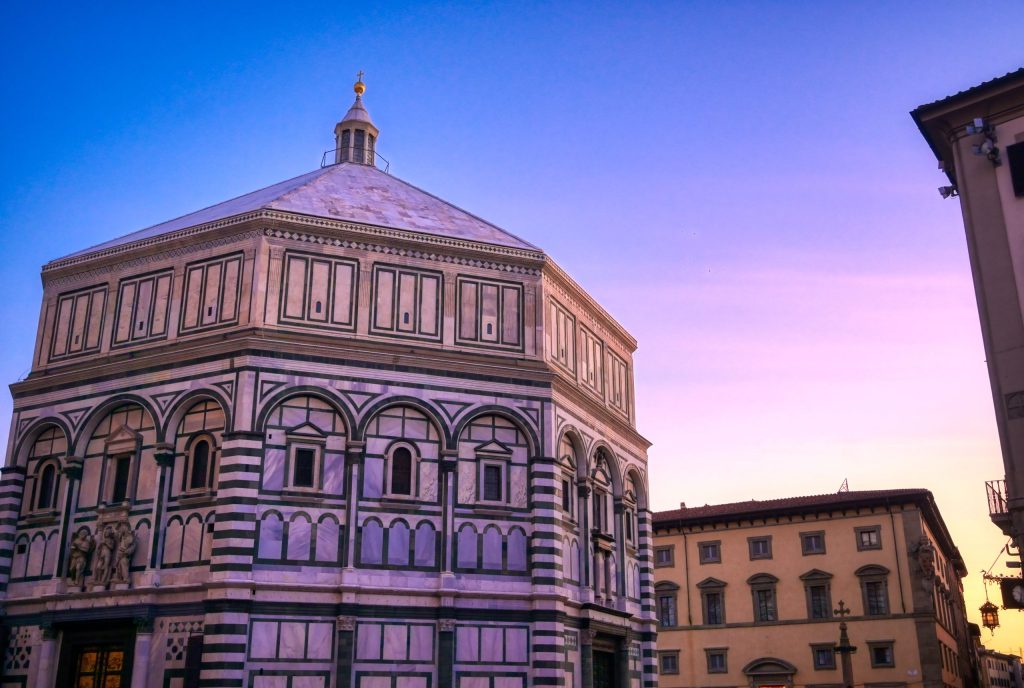
San Niccolò: a lifestyle hotspot with strong short-stay logic
Your sources describe San Niccolò as lively, close to the center and near Piazzale Michelangelo, with strong appeal for short-term rentals. That’s a realistic positioning: it’s central, atmospheric, and very easy to sell as an experience.
If your strategy is Florence investment via high-demand stays, areas like San Niccolò often work because they blend romance and access. The caution is operational: you need a property that’s easy to manage (access, layout, sound insulation, and building rules). The best “rental locations” are not always the best “rental assets” if the unit itself creates friction.
Who should buy here: investors focused on experience-driven demand, and buyers who want lively Florence at their doorstep.
What “central Florence homes” mean in practice: constraints to price in
Central Florence is not just a map pin. It comes with practical realities that international buyers should price in early:
Traffic and parking constraints are real in central zones, especially the most historic areas where pedestrian access dominates. If you need a car-based lifestyle, the tight center will fight you daily. If you don’t need a car, the center becomes incredibly efficient.
Building characteristics vary widely. In Florence, a beautifully restored apartment can sit next to a building that requires major work. Historic charm does not automatically mean modern performance. You should evaluate acoustics, natural light, heating/cooling feasibility, and condominium rules.
Your purchase experience will also differ depending on whether you’re buying a turnkey renovated unit or a property that needs upgrades. Many foreign buyers underestimate how much “small work” in a historic building can become a real project.
This is where a serious buyer mindset pays off: treat the center like a luxury market with hidden technical variables, not like a simple “tourist city” purchase.
Reading the 2025 price trend: why timing still matters
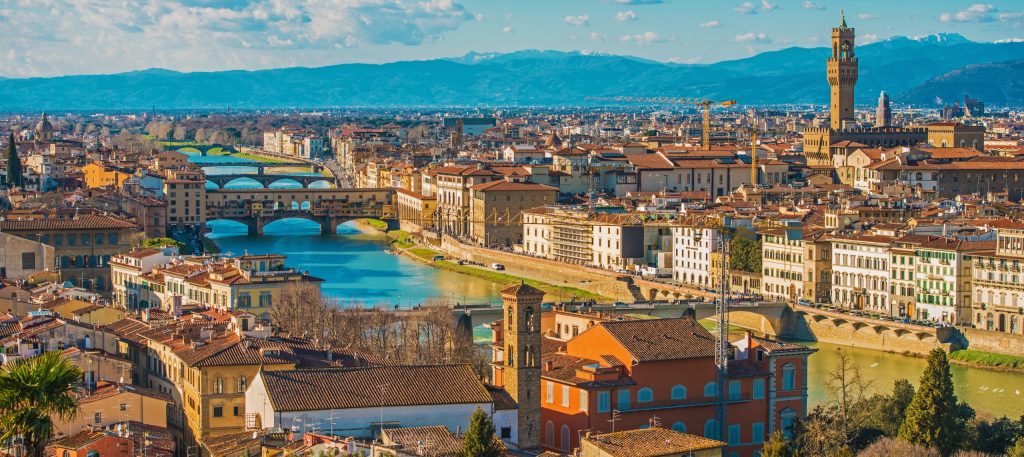
Florence’s momentum in 2025 is not just anecdotal. You provided a monthly price path through 2025 showing a steady climb from roughly €4,234 per m² in January 2025 to €4,531 per m² in December 2025, with an annual change noted as +7.5% by December.
For international buyers, this kind of pattern matters because it frames negotiation. In a rising market, sellers tend to anchor higher, and “great deals” become rarer in premium zones. The opportunity often shifts from “buy cheap” to “buy right”: secure the best micro-location and the most functional property, because the wrong unit is expensive at any price.
A simple decision framework for international entrepreneurs
If your goal is a second home that can also perform as an asset, start by deciding which of these three profiles fits you:
If you want a “flagship Florence address”, you’re likely choosing Centro or close-in landmark districts. You’ll pay top pricing, but the location is unquestionable.
If you want “livable central Florence”, Oltrarno and the premium edge areas like Porta Romana and the Michelangelo slopes often deliver a better day-to-day experience while remaining highly marketable.
If you want “value with central access”, areas like Campo di Marte / Libertà can offer more functional homes and broader tenant profiles, while still keeping the center within easy reach.
None of these is objectively best. The best choice is the one aligned with how you will use the property and how you want it to perform.
Closing thought: Florence is a micro-market-win on micro-decisions
The Florence market rewards buyers who go beyond generalities. “Old town Florence” is not a single answer; it’s a set of trade-offs between prestige, livability, and investment logic.
The data you provided makes the divergence clear: central premiums are substantial, with December 2025 sales levels reaching €6,000–€6,600 per m² in top areas like Centro, Oltrarno, and Michelangelo / Porta Romana, while city averages sit closer to the mid-€4,000s per m². Rents follow the same pattern, with the best central zones clustering around €24+ per m² per month.
If you’re an international buyer looking for central Florence homes, the smartest move is to choose a neighborhood that matches your lifestyle and your tenant profile, then buy a property that functions—not just one that photographs well.
If you want, paste the exact zones you’re considering (even just 2–3), and I’ll help you position each one in terms of lifestyle fit, market premium, and “buyer mistakes to avoid” based on the numbers you shared.
Related articles
-
 Investment tips Types of Houses
Most Desirable Property Features and Amenities in the Italian Real Estate Market
10 March 2025
-
 Investment tips
Navigating the Eternal City: A Remote Real Estate Success Story
30 July 2026
-
 Investment tips
How to buy a house in Italy
18 January 2023

