 Send an email
 Call us
Most Desirable Property Features and Amenities in the Italian Real Estate Market
10 March 2025

Most-sought after Types of Features and Styles
Historic
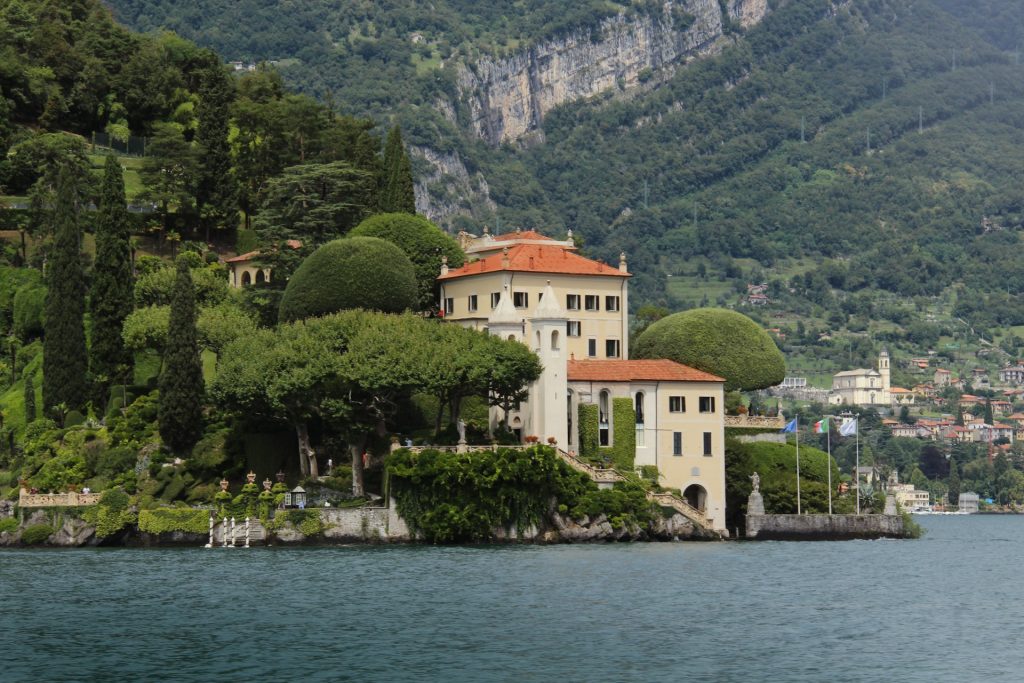
Foreign buyers of Italian luxury real estate tend to seek a blend of historic character, modern comfort, and premium amenities. A clear preference has emerged for properties that are “move-in ready” – often beautifully restored historic homes with contemporary touches.
For example, overseas clients love refurbished period properties that retain original charm (beamed ceilings, frescoes, stonework) while offering modern kitchens, bathrooms, and technology.
The fusion of old and new is very attractive: owning a Renaissance palazzo or a countryside Castello with the convenience of modern living is a dream scenario for many international buyers.
Eco-frielndly
Another priority is sustainability and build quality. Interest is rising in eco-friendly homes with high energy efficiency and natural materials. Many buyers appreciate properties that use local stone or wood, have solar panels or geothermal heating, and meet “green building” standards.
This aligns with a broader desire for a healthy, comfortable lifestyle in Italy. Alongside this, privacy and security are often non-negotiable features for luxury buyers. Gated estates, properties with extensive private land or gardens, and homes equipped with advanced security systems (e.g. 24-hour surveillance) are highly sought-after.
In cities, upscale apartments that offer concierge service, doorman security, and private parking are particularly valued by foreign buyers who may not reside year-round.
Outdoors
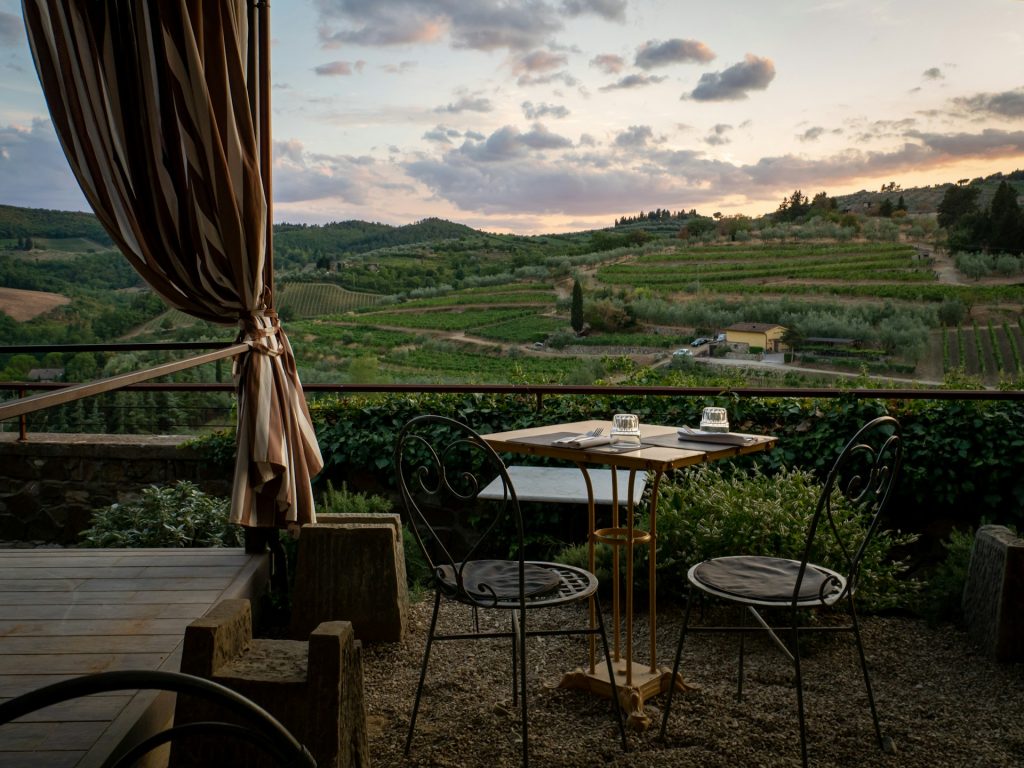
Spacious outdoor areas greatly enhance a property’s appeal. International clients often insist on well-maintained gardens, panoramic terraces, or land. Whether it’s a Tuscan villa set in a landscaped garden or a penthouse with a rooftop terrace, having an outdoor living space to enjoy Italy’s climate and views is a top desire.
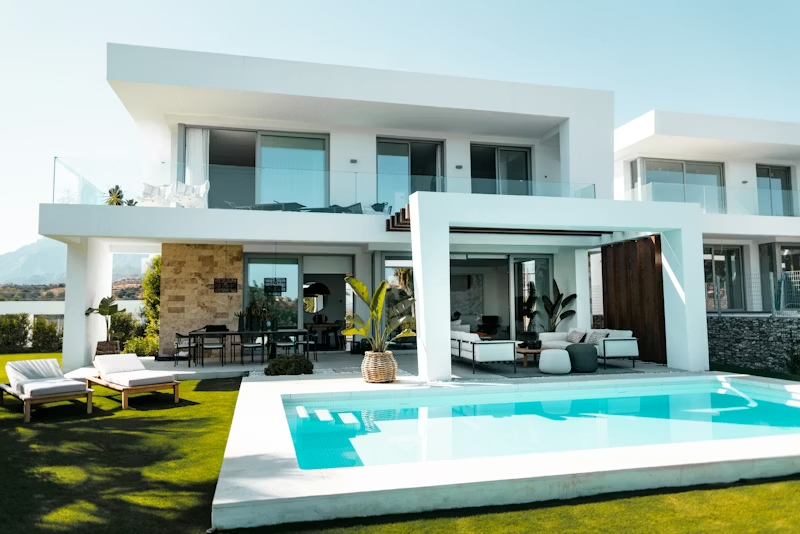
In fact, in the luxury market the “top floor and a terrace” are two of the most frequently requested elements for residences, according to one report. Likewise, infinity-edge swimming pools and scenic sundecks are popular, especially for homes in vacation areas.
Foreign buyers relish the idea of lounging by a pool overlooking olive groves or the sea – a quintessential Italian luxury experience.
Interiors
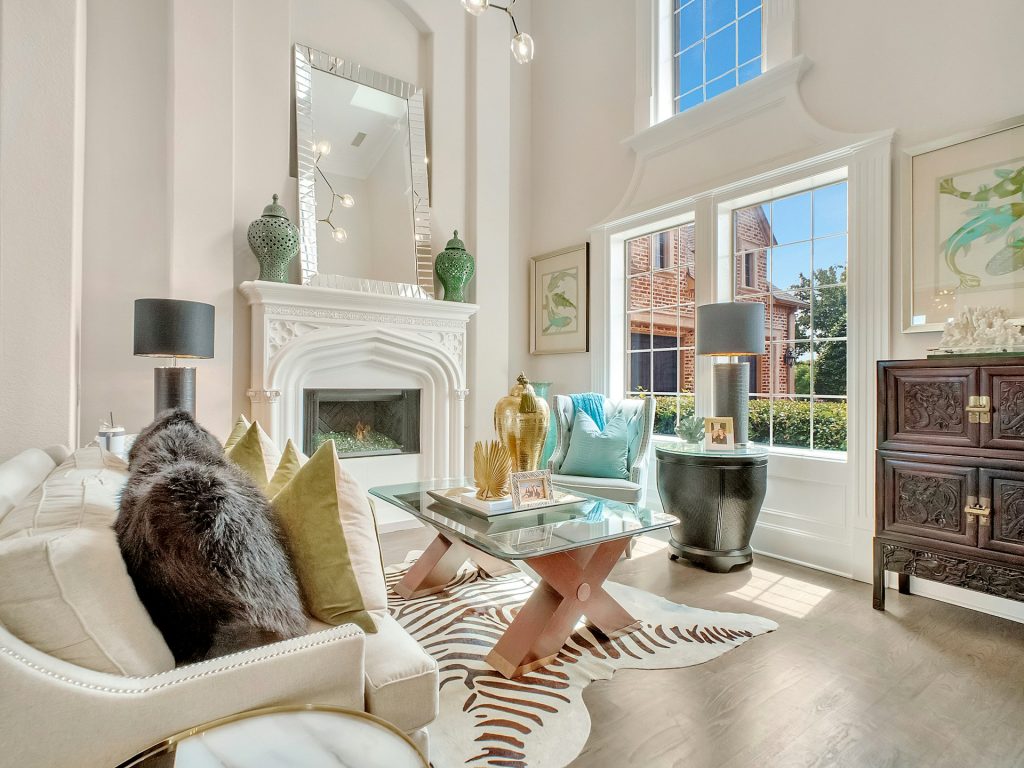
When it comes to interiors and amenities, state-of-the-art technology is increasingly expected. Smart home systems that allow remote control of lighting, climate, security cameras, and entertainment systems are considered essential by many high-end buyers.
Wealthy international clients often come from markets where “smart homes” are standard, so they seek Italian properties with integrated home automation and high-speed connectivity. On the indulgent side, private wellness facilities are a big plus.
Many foreign buyers appreciate luxury extras like home spas or saunas, fully equipped gyms, wine cellars, and home theaters on the property.
For example, villas that feature a private spa room or an indoor pool, or estates with a temperature-controlled wine cellar for storing a personal collection, tend to stand out.
Spacious gourmet kitchens are also important – clients often want large, modern kitchens suitable for hosting and even accommodating private chefs.
Design and Finish
Overall design and finish are crucial: high-quality materials (Italian marble, travertine, fine hardwoods), artisan craftsmanship, and elegant design attract foreign buyers who might be comparing Italian homes to other global luxury locales.
They often comment on the “authenticity” and artistry of Italian architecture and design as part of the appeal. Thus, properties that highlight Italian design excellence – whether classic or contemporary – are highly prized.
For example, a cutting-edge modern penthouse in Milan with designer finishes can be as attractive as a classic villa in Florence with hand-painted frescoes, as long as both meet luxury standards.
In summary, foreign buyers are looking for turnkey luxury: properties that offer beauty, comfort, and convenience. Renovated historic homes with modern amenities, eco-conscious features, private outdoor spaces (gardens/terraces), advanced security, smart-home tech, and extras like pools or spas represent the ideal in many foreigners’ eyes.
These features encapsulate the dolce vita lifestyle – combining Italy’s old-world charm with the upscale comforts that international buyers are accustomed to.
Impact of Renovations on Properties Purchased by Foreigners
Renovations play a pivotal role in the luxury properties that foreigners buy in Italy. Many international buyers specifically target homes that have already been renovated to modern standards, as evidenced by the fact that nearly two-thirds of foreign buyer inquiries are for “already restored or habitable” properties.
Move-in readiness is a priority because it spares buyers from dealing with Italy’s renovation process and lets them immediately enjoy their new home. However, there’s a significant minority – roughly 35% of buyers – willing to purchase homes that need work, indicating an openness to renovation projects.
In fact, the share of foreigners open to fixer-uppers has grown slightly (the preference for pre-restored homes fell by about 4% from 2023 to 2024 – Corriere.it).
This suggests that more buyers are seeing opportunity in renovating Italian properties to their taste or benefit from price discounts on unrenovated homes.
For those who do undertake renovations, the impact can be immensely positive. Renovating an older Italian property allows foreign owners to blend historic charm with modern luxury, often significantly increasing the property’s value and comfort.
Connect luxury property features with investment opportunities
Luxury properties in Italy combine unique architectural and cultural value with strong market appeal. Align these features with curated investment opportunities tailored to high-end buyers and investors.
Many rural villas and townhouses purchased by foreigners undergo extensive upgrades – from structural improvements (roof, plumbing, electrical) to aesthetic enhancements (restoring frescoes, installing high-end fixtures). Such works not only preserve Italy’s heritage buildings but also tailor them to international luxury standards, thereby raising the overall quality of the luxury housing stock.
A renovated centuries-old farmhouse with a new infinity pool, modern kitchen, and underfloor heating, for example, becomes far more appealing to foreign buyers (and renters) than a farmhouse in original condition.
Real estate experts note that foreign buyers love “historic properties refurbished with modern touches” – this formula tends to command a premium in the market.
Renovations are also fueled by Italy’s incentives and skilled craftsmanship. In recent years, government bonuses for restoration and energy efficiency (such as the “Superbonus 110%” tax credit) encouraged many renovations – including by some foreign owners – resulting in properties with solar panels, improved insulation, and updated systems.
Even aside from incentives, overseas buyers often budget for upgrades to add features they value (like installing air conditioning in a medieval palazzo, or converting a cellar into a wine tasting room).
The Engel & Völkers advisory for selling to foreign markets highlights adding smart home technology and landscaped outdoor amenities during renovations to meet foreign expectations.
For example, an apartment in Rome might gain a home automation system and a rooftop Jacuzzi during a luxury retrofit aimed at international clientele.

In city markets, renovated units sell much faster and at higher prices. In Rome and Milan, foreign professionals and expats often seek fully modernized apartments in historic buildings – hence developers and owners invest in delivering “turnkey” luxury units with designer finishes to cater to that demand.
In resort areas, many foreigners have taken on restoration projects: it’s common to see, say, a British or American buyer purchase a 17th-century farmhouse in Tuscany and spend a year restoring it with local artisans.
The end result is often featured in magazines – a testament to how a thoughtful renovation can create a showcase property that blends Tuscan tradition with modern luxury living.
These renovated properties not only satisfy the owners but often inspire additional interest from other buyers, thereby stimulating the market further.
It’s important to mention that not all foreign buyers want a project – a significant number will pay a premium to avoid renovation. This is why newly renovated homes can fetch top dollar from international buyers.
Currently, about 64% of foreign buyers explicitly prefer already-restored homes, reflecting the convenience factor. But whether they buy it pre-renovated or do it themselves, foreigners ultimately ensure that the properties they own are upgraded to high standards.
The impact of these renovations is a win-win: buyers get their ideal Italian home, while Italy benefits from investment into its real estate heritage – be it a rejuvenated villa or a palace given new life.
In previously neglected areas (like some rural villages), foreign-led renovations have even helped revitalize local communities and economies. In summary, renovations are central to the foreign luxury buyer experience: they are either a prerequisite (in turnkey properties) or a value-adding endeavor (in project homes), and in both cases they elevate the quality and value of Italy’s luxury real estate.
Related articles
-
 Investment tips Observatory
Rental Investment Strategies in Rome: Short-Term vs. Medium-Term Returns
15 July 2026
-
 Investment tips Observatory
Real estate Rome Italy: market trends, prime areas and investment insights
1 May 2026
-
 Investment tips News
Where to buy your house in central Florence: a practical guide for international buyers
19 February 2026

