 Send an email
 Call us
Real Estate Rome Italy: where to buy property and how prices vary across districts
4 May 2026

Overview of the Rome real estate market
The real estate Rome Italy market continues to show a clear upward trajectory, confirming its position as one of the most resilient residential markets in Southern Europe.
As of March 2026, the average property price in Rome has reached €3,759 per square meter, marking a +6.28% increase compared to March 2025. This growth is not uniform, but driven by a strong divergence between prime central areas and more accessible districts.
At the top end, the Centro Storico reaches €8,749/m², while peripheral areas such as Lunghezza or Castelverde remain below €2,000/m². This gap highlights a structurally segmented market where location defines not only price, but also investment strategy, liquidity, and long-term potential.
Rome today is not a single market, but a system of micro-markets, each with its own dynamics.
Centro Storico: prime assets and capital preservation
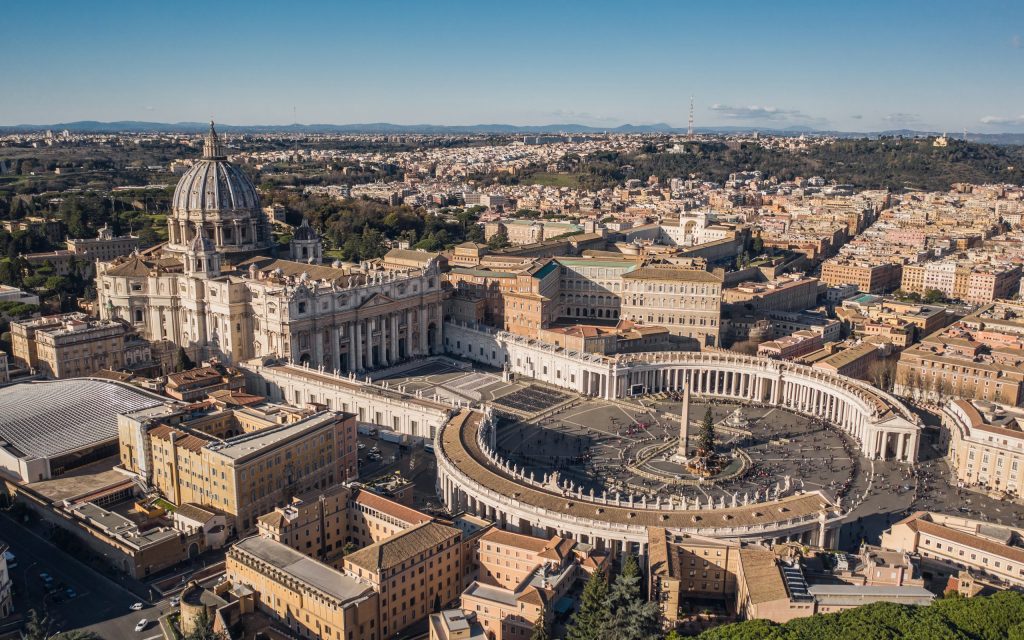
The historic center remains the most valuable and internationally recognized segment of the Roman market.
With average prices at €8,749/m² and peaks above €10,800/m², this area represents the highest concentration of value in the city. After a correction phase between 2019 and 2021, prices have entered a strong recovery cycle, reaching new highs in 2025–2026.
The Centro Storico is not a growth-driven market in the traditional sense. Its strength lies in scarcity, global demand, and long-term capital preservation, making it a reference point for buyers looking for stability and prestige rather than short-term returns.
Prati: stability and structured demand
Prati stands out for its balance between value and consistency.
With an average price of €6,290/m² and a +4.21% annual increase, the district shows a stable and predictable growth pattern. Unlike more volatile areas, Prati has followed a gradual appreciation trajectory, supported by strong local demand.
Its appeal is rooted in urban quality, central positioning, and functional livability, making it a strategic choice for buyers who prioritize reliability over speculation.
Parioli and Flaminio: high-end residential growth
Parioli and Flaminio represent the high-end residential market outside the historic core.
With prices around €6,515/m² and a +7.07% annual increase, these areas are among the strongest performers in recent years. The price trend shows a clear and sustained upward movement from 2022 onwards.
These districts combine prestige, larger property formats, and residential exclusivity, attracting buyers focused on long-term ownership and quality of life rather than transactional opportunities.
Aventino, San Saba, Caracalla: scarcity-driven value
Aventino and its surrounding areas form one of the most exclusive and limited segments of the Rome market.
With average prices at €6,773/m², the area shows moderate short-term growth (+0.19%), but this is largely due to low transaction volume and extremely limited supply.
Value here is not driven by market momentum, but by rarity, architectural context, and residential prestige, making it a niche segment reserved for highly selective buyers.
Trastevere and Testaccio: demand-led appreciation
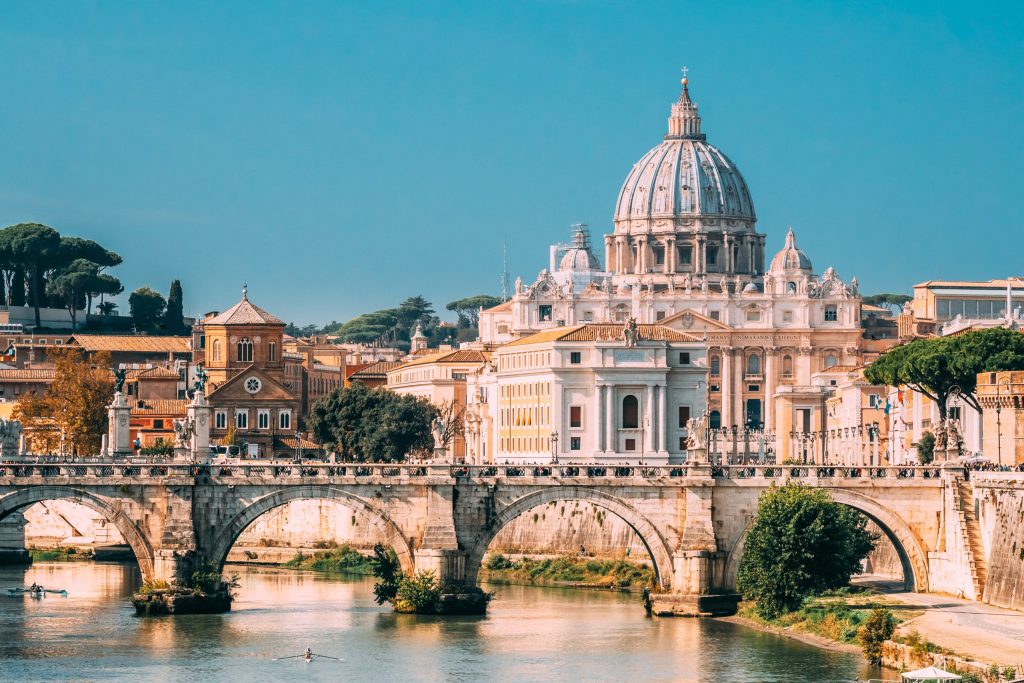
Trastevere remains one of the most dynamic districts in Rome, driven by strong domestic and international demand.
With prices at €6,560/m² and a +3.19% annual increase, the area has experienced a clear rebound since 2023, supported by its unique identity and central positioning.
Testaccio, while slightly more accessible, benefits from similar dynamics. Together, these areas represent a segment where liquidity is high and demand remains structurally strong, particularly for buyers seeking assets with flexibility of use.
Bologna and Policlinico: growth and accessibility
The Bologna–Policlinico area is one of the most interesting from a growth perspective.
With average prices at €5,537/m² and a +7.16% annual increase, the district has entered a strong expansion phase, especially from 2023 onwards.
The combination of accessibility, services, and consistent demand makes this area particularly attractive for buyers looking for growth potential without entering the prime price bracket.
Choose the right area in Rome
Price differences across districts shape both lifestyle and investment outcomes. Define your criteria to focus on the areas that best match your goals.
Salario and Trieste: accelerating residential demand
Salario and Trieste are among the fastest-growing residential areas in Rome.
With prices at €5,926/m² and a notable +10.75% annual increase, these districts show one of the strongest upward trends in the current market cycle.
This acceleration reflects a shift in buyer preferences toward high-quality residential neighborhoods with strong long-term appreciation potential, positioning these areas as increasingly strategic.
Monteverde and Gianicolense: value and entry opportunities
Monteverde and nearby districts offer a more accessible entry point into the Rome market.
With average prices at €4,381/m² and a +4.09% annual increase, the area shows a steady recovery and a clear upward trajectory after previous declines.
This segment is particularly relevant for buyers seeking larger properties, better price-to-quality ratio, and long-term appreciation, without the premium entry cost of central districts.
| Area / District | Avg Price €/m² | YoY Growth | Market Profile | Key Investment Insight |
|---|---|---|---|---|
| Centro Storico | €8,749 | ~+3.1% | Prime / Trophy assets | Capital preservation, global demand, scarcity |
| Prati | €6,290 | +4.21% | Stable central district | Predictable growth, strong local demand |
| Parioli & Flaminio | €6,515 | +7.07% | High-end residential | Strong appreciation, long-term ownership |
| Aventino, San Saba, Caracalla | €6,773 | +0.19% | Exclusive / low supply | Scarcity-driven value, limited transactions |
| Trastevere & Testaccio | €6,560 | +3.19% | Lifestyle / high demand | High liquidity, strong buyer interest |
| Bologna & Policlinico | €5,537 | +7.16% | Growth and accessibility | Expansion phase, strong mid-market potential |
| Salario & Trieste | €5,926 | +10.75% | High-growth residential | Fastest growth, increasing strategic relevance |
| Monteverde & Gianicolense | €4,381 | +4.09% | Value / entry-level prime | Strong value, long-term appreciation potential |
Final considerations
The Rome real estate market is defined by differentiation rather than uniformity.
Prime areas continue to offer stability and global appeal, while semi-central districts are increasingly driven by growth dynamics and evolving demand patterns. At the same time, residential neighborhoods are gaining importance due to changing buyer priorities.
Understanding where value is concentrated and where it is expanding is the key factor for navigating the real estate for sale in Rome Italy market effectively.
A strategic approach to buying real estate in Rome
Navigating the real estate Rome Italy market requires a clear understanding of how each district performs, not only in terms of pricing, but in liquidity, long-term positioning, and intrinsic value.
Whether the objective is capital preservation in prime areas, long-term appreciation in emerging districts, or diversification across different segments, Rome offers a layered market with distinct entry points and opportunities.
Careful evaluation of location, property type, and market timing remains essential. In a city where each neighborhood behaves differently, informed decisions are what ultimately define the success of a real estate investment.
At Italian Real Estate Company, we support international clients throughout the entire property buying process in Rome and across Italy, handling every step from property search to final acquisition.
Related articles
-
 Investment tips
Property Prices by Region and City in 2026
26 March 2026
-
 Investment tips
Navigating the Eternal City: A Remote Real Estate Success Story
30 July 2026
-
 Investment tips Types of Houses
Current Luxury Estate Market in Italy: A Comprehensive Analysis
19 June 2024

